We Buy Gold and Silver – Here’s How
When you’re ready to sell precious metals, understanding what you have is the key to understanding what it’s worth. At GoldSilverCrypto.com, we buy gold and silver every day—coins, bars, rounds and occasionally jewerly and other precious metals pieces—and each category is valued differently. The goal of this guide is to help you understand how gold and silver pricing works, why some items sell for “melt value” while others command collectible premiums, and what factors affect your payout.
Gold and Silver Value Basics: Melt vs. Numismatic
Every gold or silver item carries two potential types of value:
1. Melt Value
This is the value of the actual precious metal content, based on the current spot price. For many coins—especially common-date or heavily circulated ones—the melt value is the main driver of what they sell for.
2. Numismatic Value
Some coins carry collector value beyond the metal they contain. This premium is based on factors such as:
- Rarity or low mintage
- Condition and grading (MS63, MS65, etc.)
- Historical significance
- Original packaging or proof status
Only a small percentage of coins fall into this category. Most everyday items people bring in are valued primarily by metal weight, purity, and the broader market.
Sometimes even gold and silver bars have collectible values
Gold Coins and What They’re Really Made Of
Not all gold coins contain a full troy ounce of gold—even if people assume they do. Here are the most common examples we see and what affects their value.
Saint-Gaudens $20 Gold Coins (1907–1933)
These iconic early 20th-century coins are beautiful, but they do not contain one troy ounce of pure gold. Each Saint-Gaudens Double Eagle contains:
- 0.9675 troy oz of pure gold
For most circulated examples, this means their resale price aligns closely with melt value. The exceptions are coins that are:
- Professionally graded MS63 or higher
- Rare dates with lower mintages
- Proof strikes or exceptional specimens
These collectible versions can command significantly higher numismatic premiums.
$5 Gold Half Eagles (1839–1908)
These classic U.S. gold coins contain:
- 0.24187 troy oz of gold
Like the St. Gaudens coins, most Half Eagles trade close to their melt value unless they are:
- Mint State, especially MS63+
- Rare dates or scarce varieties
- Certified by PCGS or NGC with high grades
For typical circulated Half Eagles, value is almost entirely based on gold content and market demand.
Silver Coins: “Junk Silver” and What That Really Means
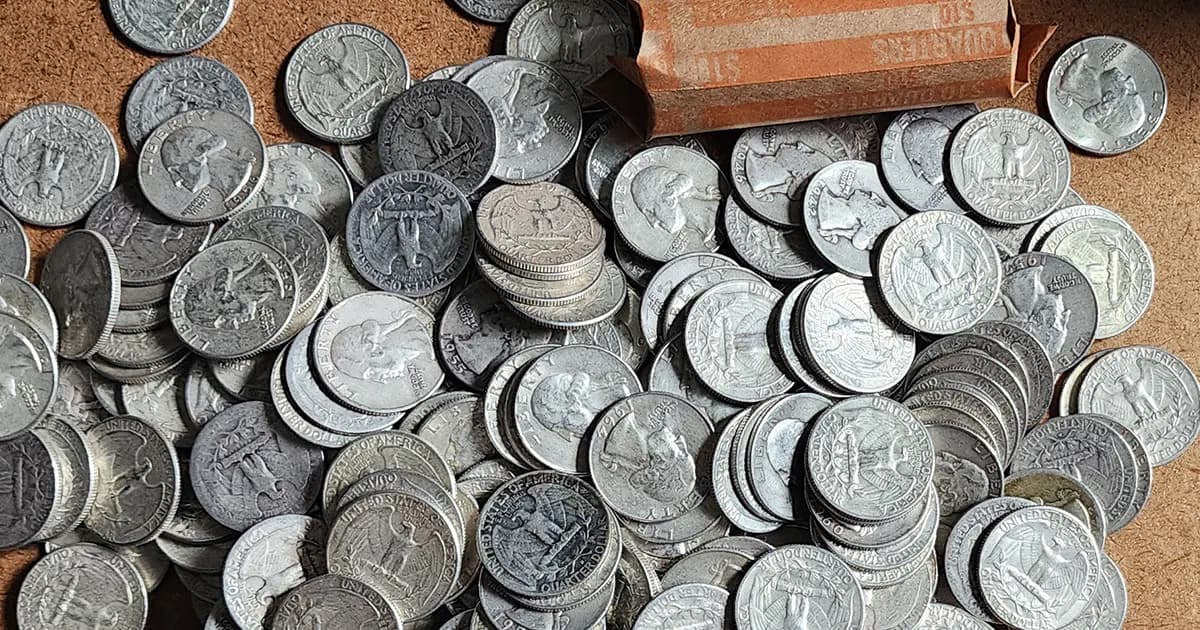
Before 1965, most U.S. circulating coins—quarters, dimes, and half dollars—were made of 90% silver. Today these are often referred to as “junk silver”, but that term simply means:
- They have high mintage
- They lack collectible rarity
- Their value is tied to silver weight, not numismatic demand
A circulated 1954 Washington quarter, for example, has the same silver melt value as a 1930s quarter, despite the age difference.
These coins typically sell in bulk and follow the ups and downs of the silver market.
Due to market forces including a backlog in refining junk silver right now. The retail market is soft and therefore offers on junk silver and any kind of sterling or less than .999 silver may be dissappointingly low right now. This will change as refiners catch up and demand increases. This is one place where people are most surprised, but there is a very real reason.
Modern Commemoratives: Not Always Pure Silver
Many modern U.S. Mint commemorative coins look like pure silver but are often 90%, 92.5%, or even lower purity, depending on the release. This can surprise sellers who expect them to contain a full ounce of silver.
Mintage numbers also tend to be high, meaning most commemoratives sell based on melt value unless in proof condition with original government packaging. There is a resale market for these but the reality is they lose some value due to a lack of collectibility found in numismatic coins and pure silver rounds and coins.
Somewhat like the junk silver mentioned above, the payout is low for these items as it is based on refining them again into pure silver.
Modern Gold Coins: Eagles, Buffalos, Maples & More
Modern bullion coins are much more standardized than their early-20th-century counterparts. The major gold bullion coins you’ll encounter include:
American Gold Eagles
- Contain 1 troy oz of gold, plus a small amount of alloy metals for durability.
- Slightly less pure but still recognized worldwide.
- Demand is steady, but premiums can fluctuate.
American Gold Buffalos
- 99.99% pure gold
- Highly sought after
- Often bring slightly better resale levels than Eagles due to purity and demand
Canadian Gold Maples
- Also 99.99% pure
- Strong demand, generally more than Krugerrands or Coronas
Krugerrands, Coronas, and Other Sovereign Gold
- Well-known but currently less in demand
- Premiums can be lower unless graded or in exceptional condition
For any modern bullion coin, original packaging, assay cards, proof boxes, and authenticity certificates can slightly increase value.
Why People Expect Spot Pricing—and Why That’s Rare
Many sellers have an understandable assumption:
“If gold is $4,100/oz today, I should get that much.”
However, the spot price only refers to large wholesale trades between major institutions—not to individual retail transactions. Even in a soft market like the current one, you generally pay spot plus to buy and spot minus to sell. Several factors reduce the final payout:
1. Refining and handling costs
Even clean bullion must be processed, weighed, tested, insured, and resold.
2. Market softness
Even with high spot prices, the physical metals market can slow down.
Right now, premiums on many products are compressed. Some sellers recognize they’re still 50–100% up from a few years ago. Others are surprised to learn the retail market does not always track spot price dollar-for-dollar.
3. Demand differences
Not all gold or silver items are equally desirable.
Krugerrands, for example, may sell for lower premiums than Buffalos or Maples.
4. Condition matters
Scratched, dented, polished (shined up after tarnishing), or worn items usually price lower.
How We Value Your Gold and Silver
At GoldSilverCrypto.com, we buy gold and silver using a straightforward process:
- We verify your metal. Sometimes we will start with a picture you submit to get an estimate based on condition, packaging, etc.
- We determine purity and weight. This establishes the melt value baseline.
- We check for numismatic premiums. If your coin is a rare date, graded or qualifies for collector value, we offer more accordingly.
- We show you the math. We believe in transparency—spot price, melt value, and our payout.
- We offer fair prices based on real market demand.
Some pieces sell closer to spot; others sell well below it. The goal is always to give you an honest, market-aligned offer. We buy gold and silver and we sell both as well. We also buy other precious metals such as platinum and palladium. When we buy gold and silver from you, you get paid the same day either with cash or a cashier’s check directly from the bank. We may even offer crypto if that works for you.
We Buy Gold and Silver at Fair Market Prices
Physical precious metals pricing can be confusing. The good news is you don’t have to become an expert—we’re here to walk you through it. Whether you have pre-1964 silver coins, early gold pieces, modern bullion, commemoratives, scrap jewelry, or an inherited collection, we make the process simple and transparent.
We buy gold and silver every day and are happy to evaluate your items with no pressure and no obligation.
Ready to Buy or Sell in Utah Valley?
Gold Silver Crypto is Highland, Utah's trusted precious metals dealer. Call or text for a same-day evaluation.