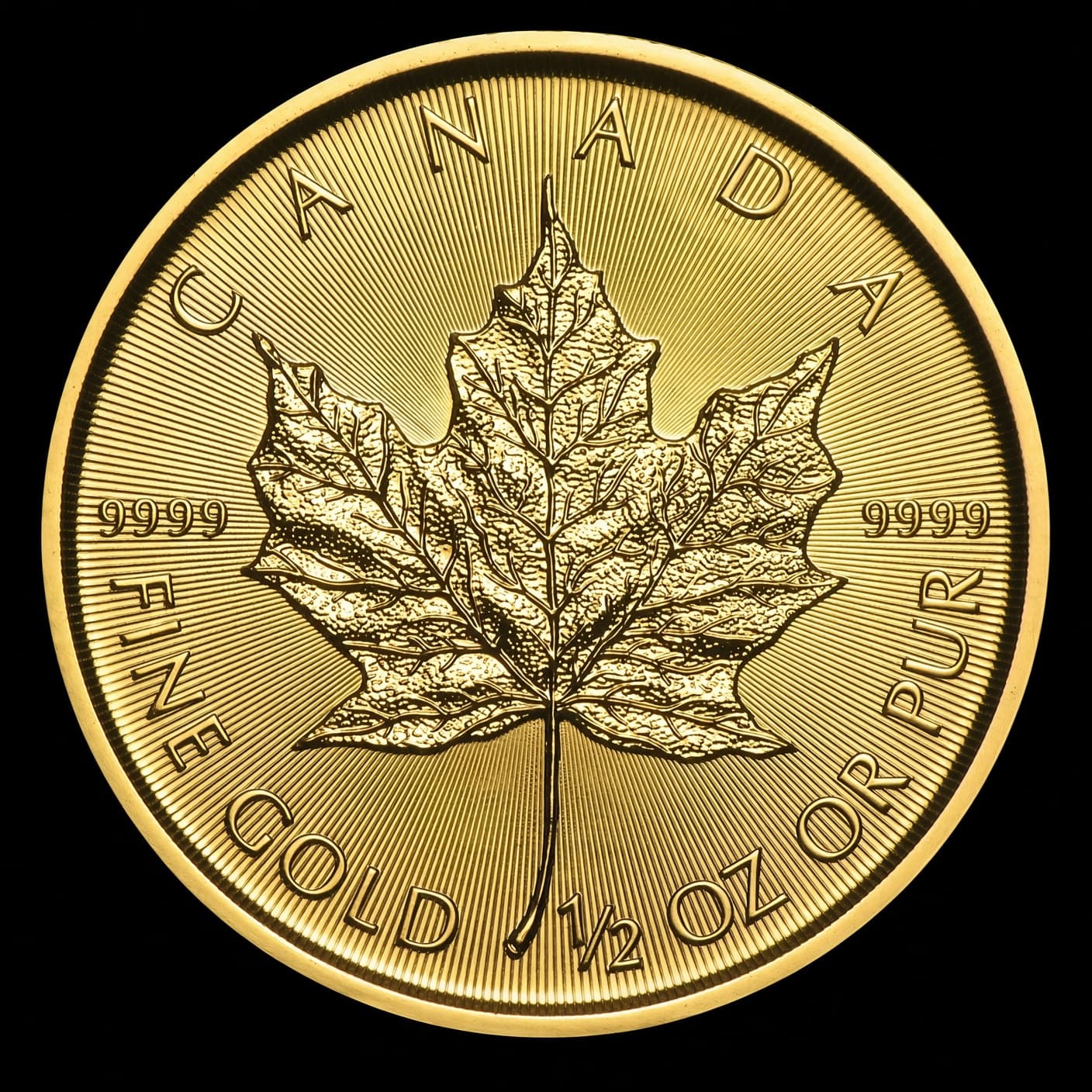
1 oz Canada Gold Maple Leaf .999 (Random Year)
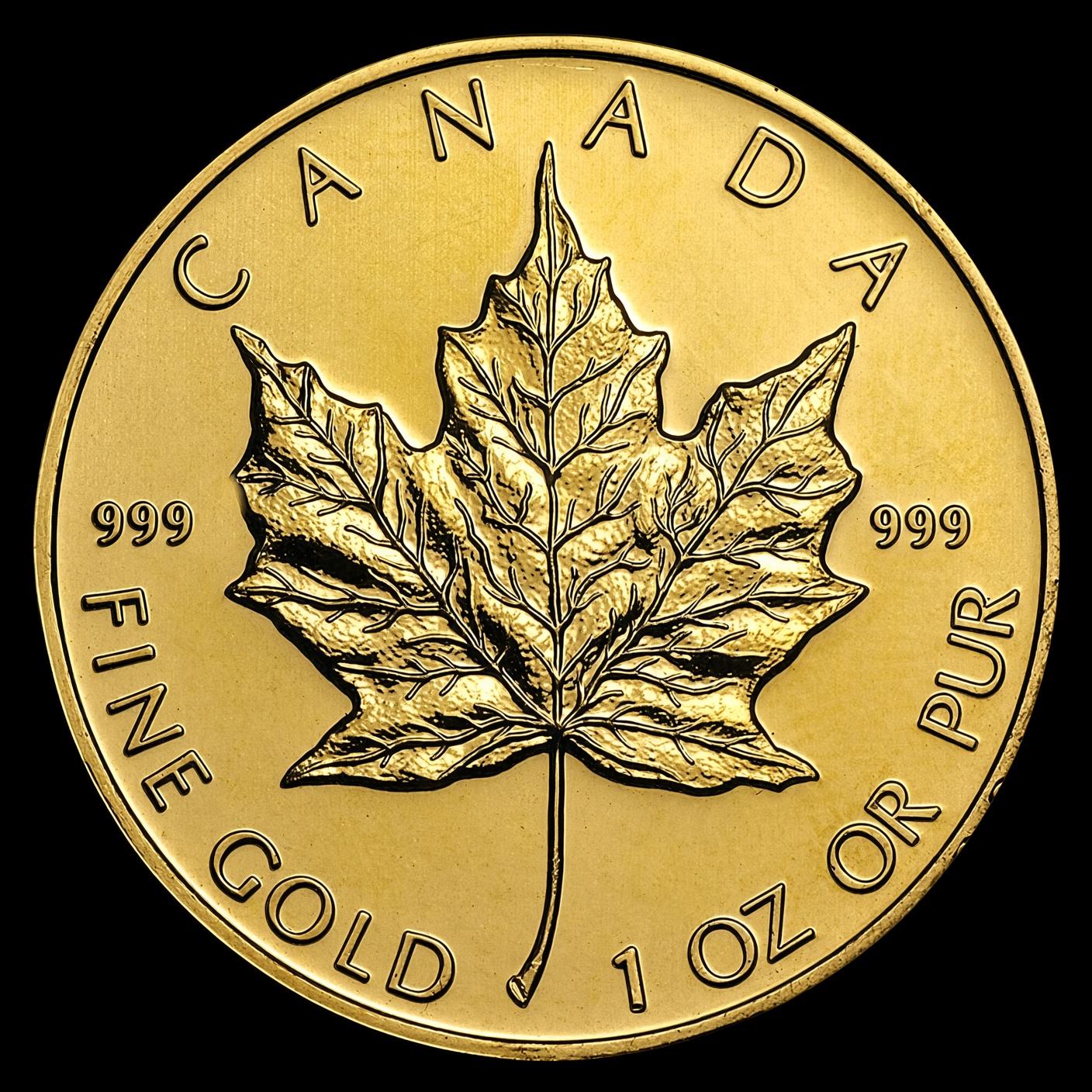
Images are for educational/reference use and may not represent current inventory.
IRA Eligible
Related Products
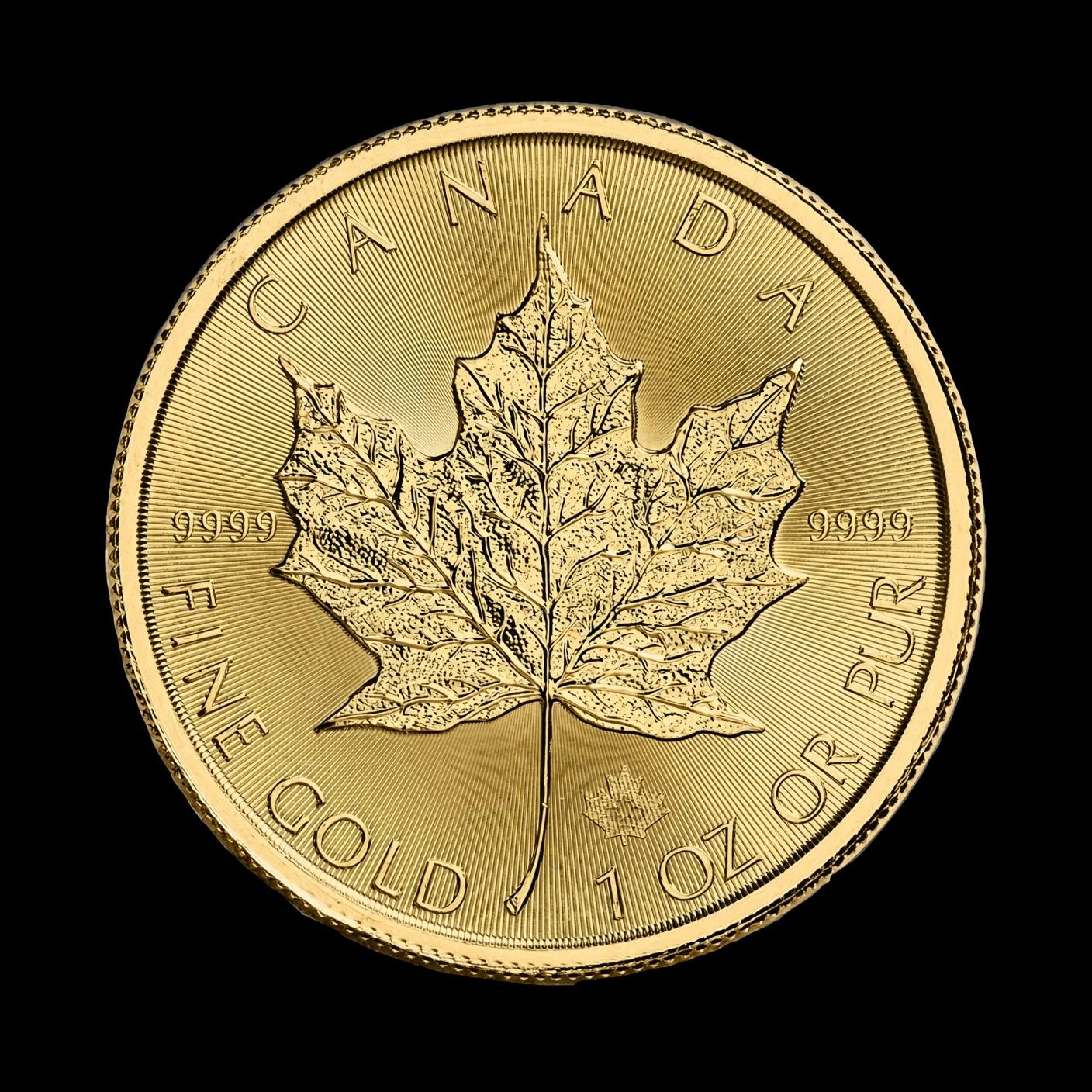
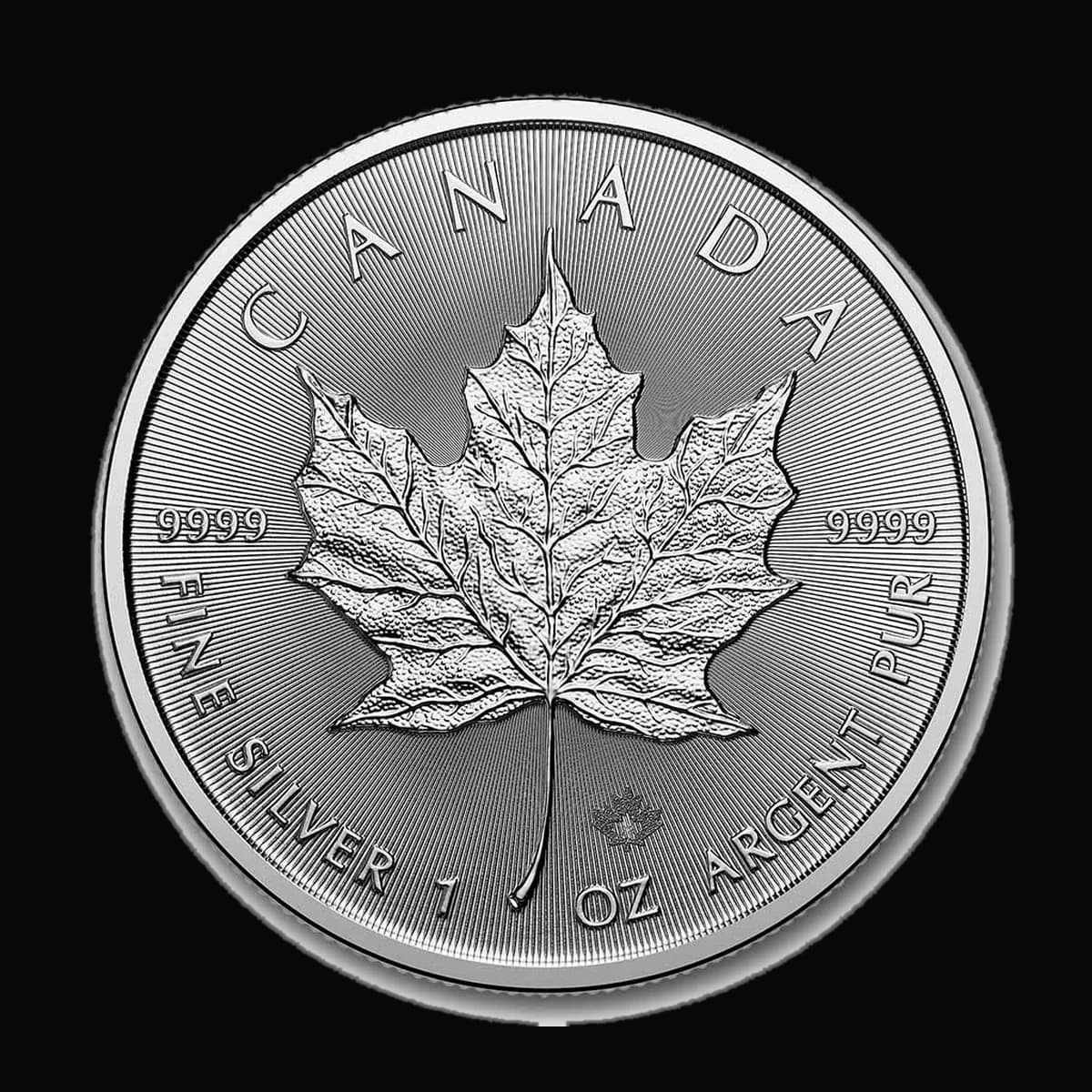
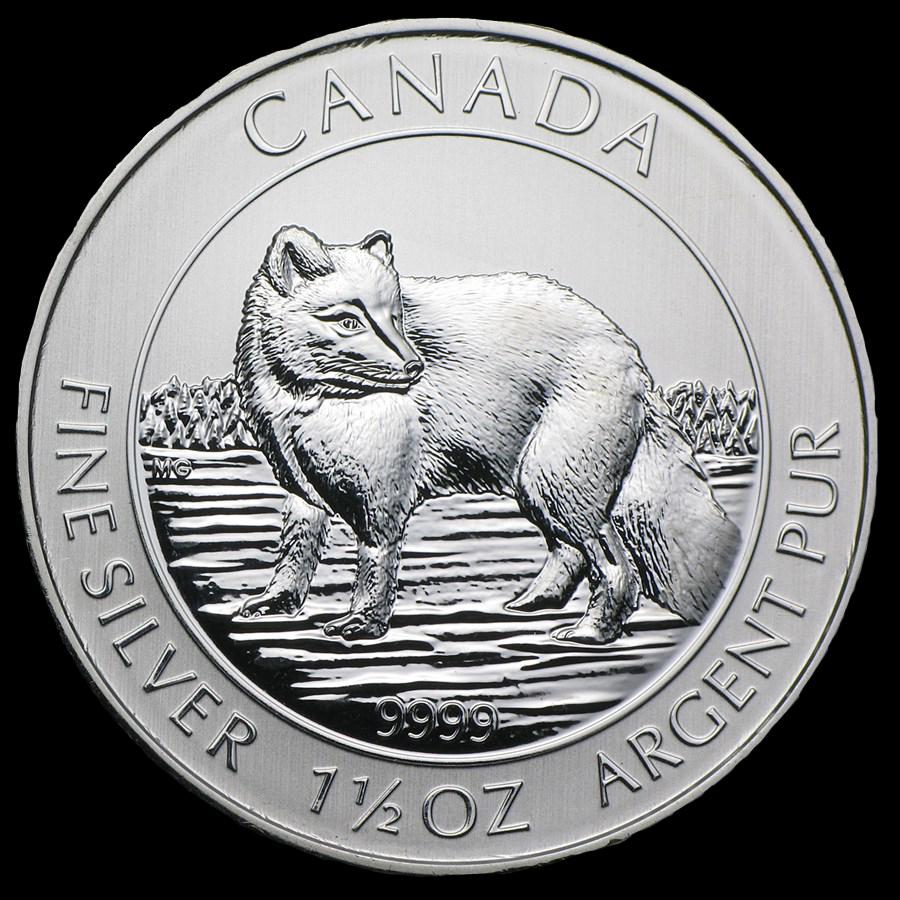
Coin Specifications
| Metal | Gold |
| Purity | .999 fine / 24 karat |
| Weight | 1 troy oz (31.10 g) |
| Gold content | 1 troy oz pure gold |
| Mint | Royal Canadian Mint |
| Country | Canada |
| First minted | 1979 |
| Face value | $50 CAD (legal tender) |
| Condition | BU (Brilliant Uncirculated) |
| Year | 1979–1982, random year |
| IRA eligible | Yes — .999 fine, above the IRS .995 minimum |
About the Canadian Gold Maple Leaf
The Canadian Gold Maple Leaf has been produced by the Royal Canadian Mint since 1979, making it one of the first modern 24-karat gold bullion coins. The earliest issues, struck from 1979 to 1982, are .999 fine \u2014 the mint raised the purity to .9999 on later coins. This listing is one of those early .999 pieces. Either way it is pure gold with no alloy added, so the coin weight is essentially the gold weight, unlike 22k alloy coins such as American Gold Eagles or Krugerrands.
The 1 oz Gold Maple carries a $50 CAD legal tender face value. It is not traded at face value — price follows the gold spot market plus a premium.
The obverse features a portrait of the reigning Canadian monarch. The reverse shows the iconic stylized maple leaf. In 2013, the Royal Canadian Mint introduced a micro-engraved maple leaf security mark on the reverse. Later bullion issues also use precise radial lines and Bullion DNA anti-counterfeiting technology, with Bullion DNA authentication applying to Gold Maple Leaf coins dated 2014 and later. These features help authenticate the coin without changing its gold content.
Our Take
Canadian Gold Maple Leafs are one of the most recognized 24-karat gold coins in the world. They appeal to buyers who want pure gold content, government-mint recognition, and strong global liquidity without necessarily paying the same premium as a U.S. Gold Eagle.
The tradeoff is durability. Because Gold Maples are 24k pure gold, they show marks, scratches, and handling more easily than 22k alloy coins like American Gold Eagles or Krugerrands. Condition matters more when you go to sell.
If you want pure gold, strong global recognition, and competitive premiums, Maples make sense. If you want a tougher alloy coin with stronger U.S. recognition, compare it with the American Gold Eagle. If you want a 24k U.S. coin, compare it with the American Gold Buffalo.
Gold Maples vs Other Gold Products
Gold Maples are not the only way to buy government-mint gold. The right choice depends on whether you prioritize purity, recognition, cost per ounce, or durability.
| Product | Recognition | Typical Premium | Best For |
|---|---|---|---|
| Canadian Gold Maple Leaf | High globally | Often competitive | 24k sovereign gold |
| American Gold Eagle | Very high in the U.S. | Usually higher | U.S. recognition and liquidity |
| American Gold Buffalo | Very high | Usually higher | 24k U.S. gold coin buyers |
| South African Krugerrand | High globally | Often lower than Eagles | Classic 22k gold bullion |
| 1 oz Gold Bar | High if known brand | Often lower than coins | Lower-premium gold exposure |
Premiums are relative and change with market conditions.
Frequently Asked Questions
Add it to your cart and check out securely online with live, spot-based pricing, or call or text (385) 442-9636 if you would rather order by phone. Orders ship fully insured, and free local pickup is available.
Utah exempts investment-grade precious metals from sales tax, so no sales tax is added to bullion orders like this one. Tax treatment in other states varies, and any applicable tax is calculated at checkout.
Usually, yes. Canadian Gold Maple Leafs carry a premium above their gold melt value because they are widely recognized Royal Canadian Mint bullion coins. The exact premium changes based on market demand, coin size, condition, and whether the coin is a common bullion Maple, special issue, graded, or sealed.
Yes. These early Gold Maple Leafs are .999 fine — 24 karat. The Royal Canadian Mint struck the coin at .999 from 1979 to 1982 before raising it to .9999 on later issues. Both are pure gold with no alloy added, and a 1 oz Gold Maple contains one troy ounce of gold either way.
They can be. Gold Maple Leafs are pure gold, which marks and scratches more easily than 22k alloy coins like American Gold Eagles or Krugerrands — and these early issues have had decades to pick up handling marks. Heavily marked coins typically trade at or near melt value rather than at a bullion premium. Bring them in as-is or text photos so we can assess what you have.
Yes. Graded Gold Maples certified by PCGS, NGC, or other major services may command a premium over raw bullion depending on the grade, year, and current collector demand. Do not assume they should be priced the same as random-year bullion coins.
Pricing is based on live gold spot, the one troy ounce of pure gold in the coin, and the current market premium for 1 oz Gold Maples. Quantity matters too — single coins, tubes, and sealed items can move differently in the resale market. Text photos and quantity for the most accurate quote.
Yes. Text photos of the front and back of your coins along with the size, quantity, and whether any are special issue, graded, sealed, or carded to (385) 442-9636. The more detail you provide, the more accurate the estimate.
It depends on your goals. Gold Maples are 24k pure gold with strong global recognition. Gold Eagles are 22k alloy, more durable, and have very high U.S. dealer recognition. Maples often carry a competitive premium. If you want pure gold content and global liquidity, the Maple is a strong choice. If you want the highest U.S. dealer recognition or a more durable coin, the Eagle may be the better fit.
Related Gold Products
Ready to buy Gold Maples?
Add it to your cart for live, spot-based pricing and secure checkout, or call or text if you would rather order by phone.