$20 St Gaudens Gold Double Eagle
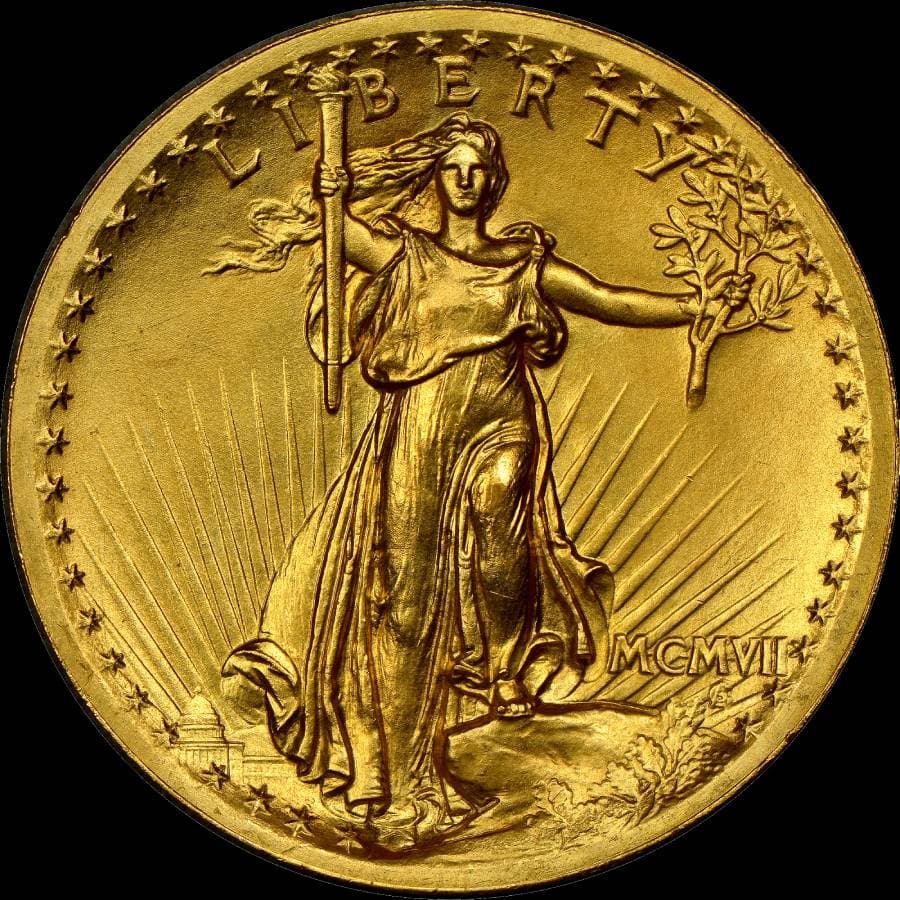
Images are for educational/reference use and may not represent current inventory.
Gold Silver Crypto sells Saint-Gaudens $20 Double Eagles, with live spot-based pricing and secure checkout. Pricing depends on live gold value, date, mintmark, authenticity, condition, certification, and current numismatic demand — not on gold value alone.
Related Products
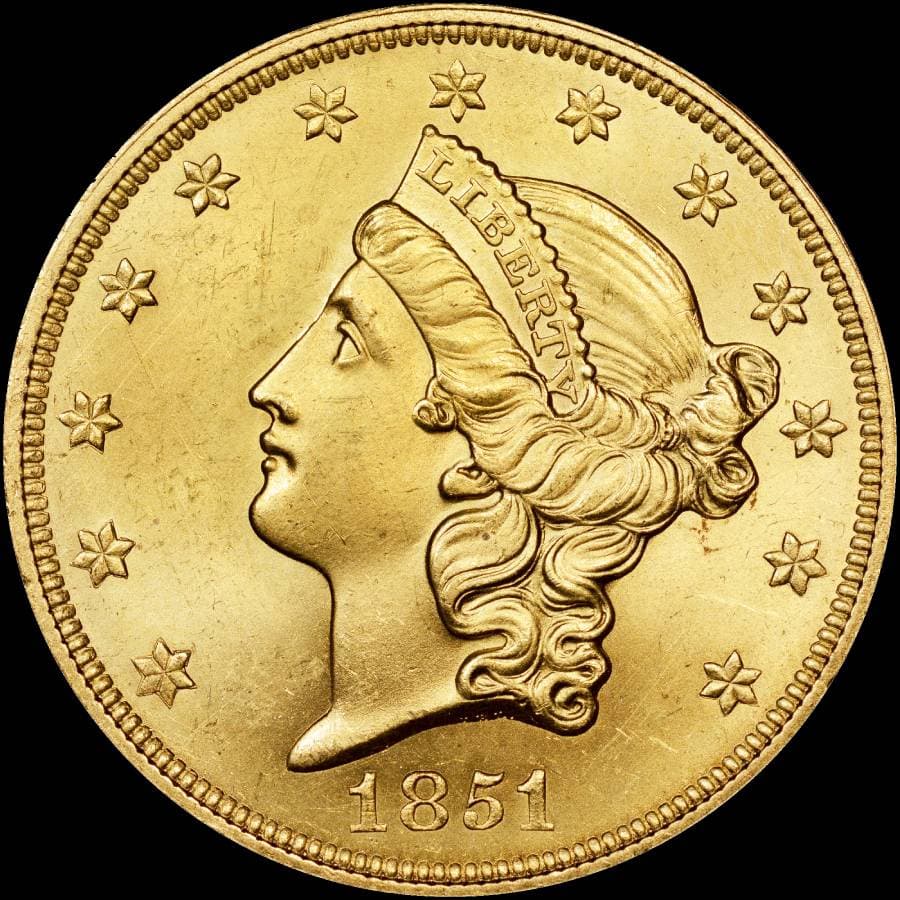
Saint-Gaudens Double Eagle Specifications
| Metal | Gold |
| Purity | 90% gold / .900 fine |
| Actual gold content | Approximately 0.9675 troy oz |
| Total weight | Approximately 33.436 g |
| Diameter | Approximately 34 mm |
| Face value | $20 legal tender |
| Designer | Augustus Saint-Gaudens |
| United States issue dates | 1907–1933 |
| Mints | Philadelphia, Denver, and San Francisco |
| Edge | Lettered edge reading E PLURIBUS UNUM |
The $20 face value is a legal tender denomination, not the coin's modern market value. The coin contains approximately 0.9675 troy ounce of actual pure gold — its total weight is higher because it is a 90% gold, 10% copper alloy, not pure gold. Date, mintmark, condition, grade, and variety can all add numismatic value on top of the coin's gold content.
About the Saint-Gaudens Double Eagle
The Saint-Gaudens Double Eagle grew out of President Theodore Roosevelt's effort to improve the artistic quality of American coinage in the early 1900s. Roosevelt commissioned sculptor Augustus Saint-Gaudens to redesign the nation's gold coinage, and the $20 Double Eagle design was introduced in 1907.
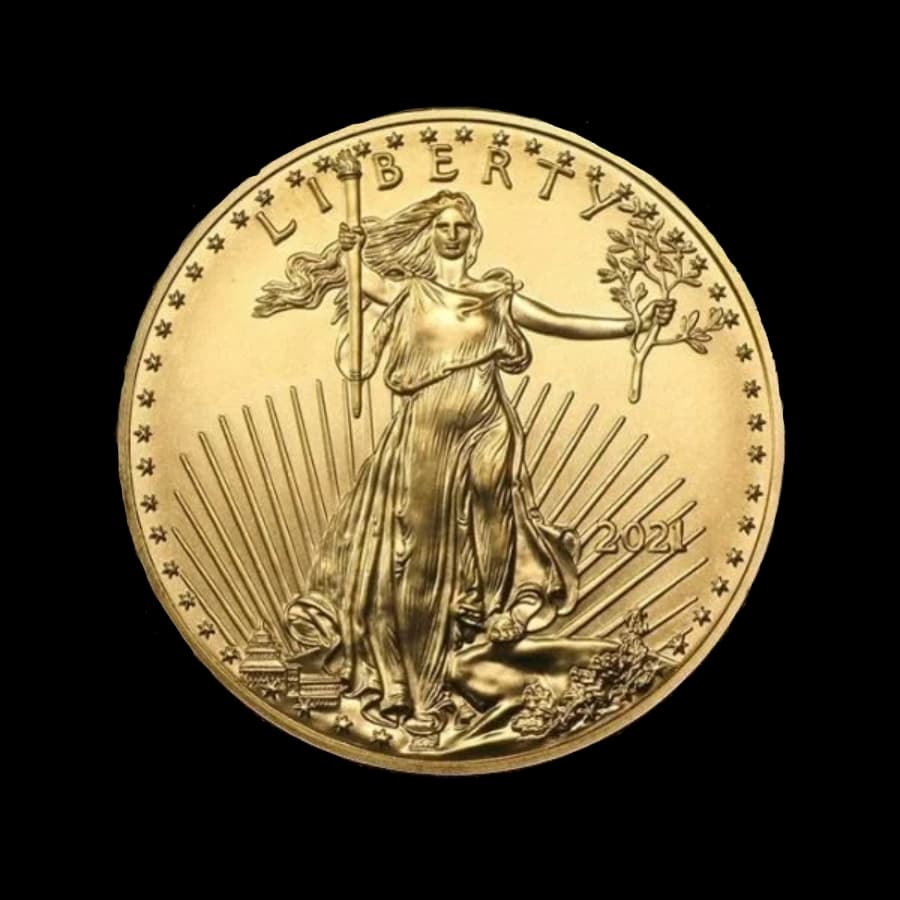
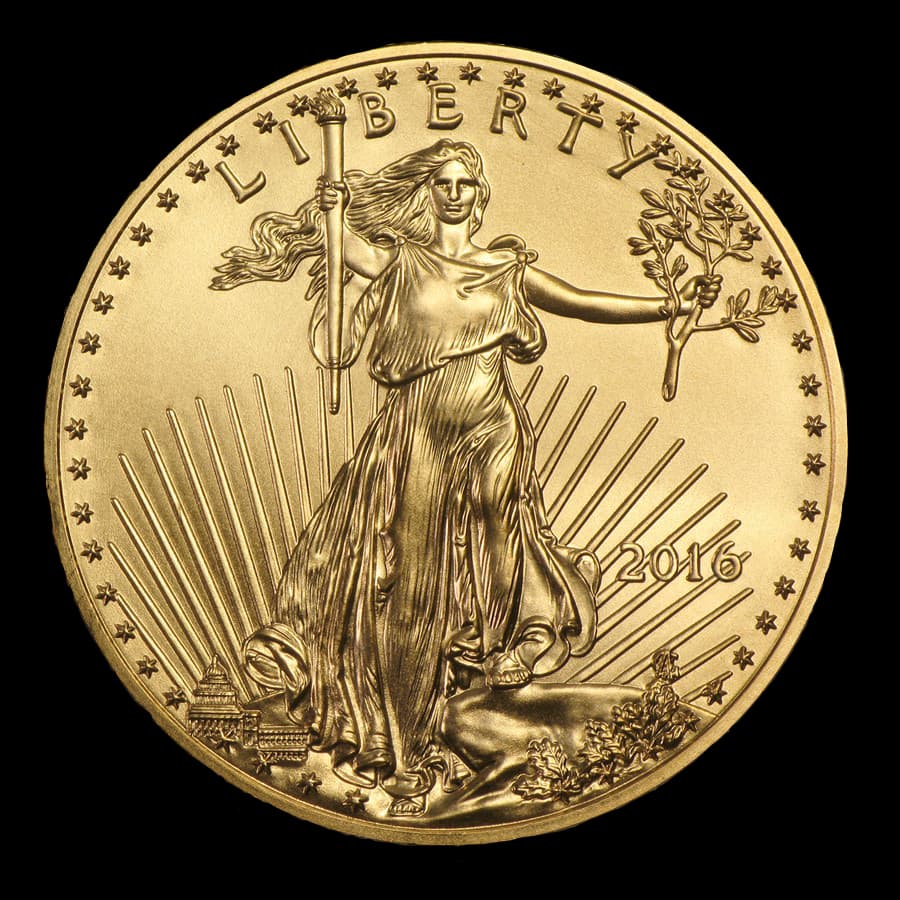
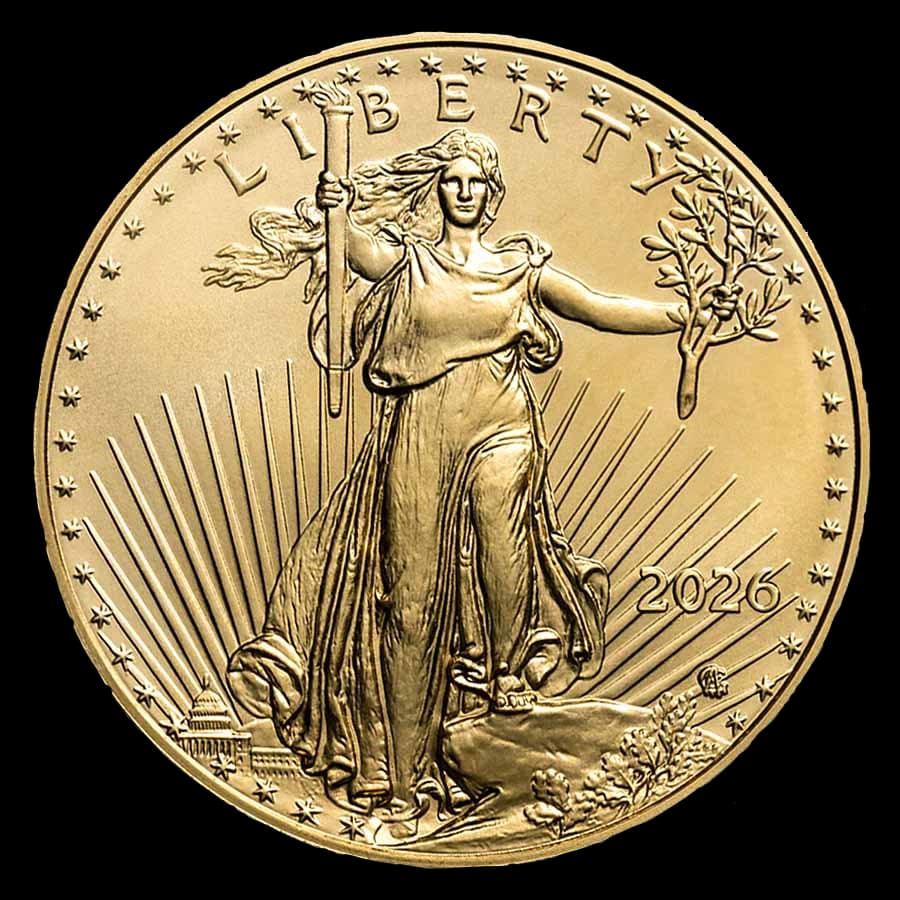
The obverse depicts a full-length figure of Liberty striding forward, holding a torch in one hand and an olive branch in the other, with the U.S. Capitol faintly visible in the background. The reverse depicts a flying eagle above a rising sun. The design is widely regarded, with proper attribution, as one of the most admired coin designs the U.S. Mint has produced.
The design was produced through 1933. Federal restrictions on private gold ownership and the large-scale melting of U.S. gold coins dramatically affected which dates survived and how scarce certain issues are today. Many surviving common-date Saint-Gaudens Double Eagles exist because large quantities were shipped overseas in past decades and were later recovered and returned to the United States, rather than because they escaped melting domestically.
How to Identify a Saint-Gaudens $20 Gold Coin
The obverse shows Liberty holding a torch and an olive branch. The reverse shows a flying eagle above sun rays. The date appears on the obverse near the lower-right portion of the coin, and the mintmark, when present, appears on the obverse directly above the date. Philadelphia coins carry no mintmark, Denver coins carry a ‘D,’ and San Francisco coins carry an ‘S.’
The coin measures about 34mm in diameter and weighs about 33.436 grams, with a lettered edge reading E PLURIBUS UNUM. Weight alone does not prove authenticity — well-made counterfeits and altered coins can approximate the correct weight, and some deceptive pieces use added or altered mintmarks to imitate a scarcer coin. Because of this, professional testing or third-party certification is often needed before relying on a coin's stated date and mintmark for pricing.
Common Dates, Better Dates, and Rare Varieties
Not every Saint-Gaudens Double Eagle should be priced the same way. Several Philadelphia issues from the 1920s are encountered more often today than genuine key dates, largely because large quantities were recovered from overseas bank holdings decades after they were minted. A low original mintage does not automatically determine current value — surviving population, condition, mintmark, certification, and current market demand all matter more than mintage alone.
Some Denver and San Francisco issues are genuinely scarce or rare, including dates where original mintage was substantial but very few examples are known to survive today. The 1927-D is a well-documented example of a date whose survival rate is extremely low relative to its original mintage, and it should never be assumed common simply because 1927 Philadelphia coins are widely available. Conversely, some dates that arrived home in large overseas hoards, including a number of Philadelphia issues from the 1920s, are far more available than their age might suggest.
The 1907 High Relief is a distinctly different and more valuable issue than an ordinary common-date Saint-Gaudens and should never be priced using common-date assumptions. Because added or altered mintmarks exist, any date or mintmark presented as scarce should be verified — ideally through PCGS or NGC certification — before a numismatic premium is assigned.
1907 High Relief vs. Regular Saint-Gaudens Coins
The original 1907 Saint-Gaudens design was struck in high relief, meaning the design elements stood far above the coin's surface. This required striking each coin multiple times with the dies, which was slow and impractical for large-scale production. Before the end of 1907, the U.S. Mint lowered the relief so coins could be struck with a single blow, and that lower-relief format became the regular circulation strike produced through 1933.
Not every 1907 coin is a High Relief — most 1907 Saint-Gaudens Double Eagles in circulation are the ordinary lower-relief strike. A genuine 1907 High Relief must not be priced like a common-date coin, and because of its significance and the existence of look-alike or misattributed coins, professional certification from PCGS or NGC is strongly recommended before relying on a High Relief attribution. The 1907 High Relief is a distinct historical issue and should not be confused with the 2009 Ultra High Relief Double Eagle, a modern one-ounce .9999 fine gold coin produced decades later using the same Liberty design.
No Motto vs. With Motto Saint-Gaudens Coins
Saint-Gaudens and Roosevelt originally preferred a reverse design without the motto IN GOD WE TRUST, and coins from 1907 through most of 1908 were struck without it. Congress required the motto's return, and it was added partway through 1908 production — all 1908-S Double Eagles carry the motto, while most 1908 Philadelphia and Denver coins do not.
No Motto coins are an early, more limited variety within the series and are identified by the absence of the motto on the reverse. Variety alone does not determine a coin's final value — grade, mintmark, condition, and current demand still need to be evaluated alongside whether a coin is No Motto or With Motto.
Raw vs. Graded Saint-Gaudens Double Eagles
PCGS and NGC are third-party grading services that authenticate a coin and assign a numeric grade reflecting its condition. A certified holder provides an independent opinion on authenticity and grade, which the market generally trusts — but a holder does not make every coin inside it rare. Grade can materially affect a coin's collector value, particularly for coins in higher Mint State grades.
Damaged, cracked, or questionable-looking holders should be inspected carefully, and certification numbers can and should be verified against the grading service's public records before relying on the labeled grade. Gold Silver Crypto evaluates the actual coin and current market conditions, not merely the plastic holder it arrives in. Raw, uncertified coins are also bought and sold, with pricing that accounts for the added step of authenticating the coin ourselves.
Saint-Gaudens Double Eagle vs. American Gold Eagle
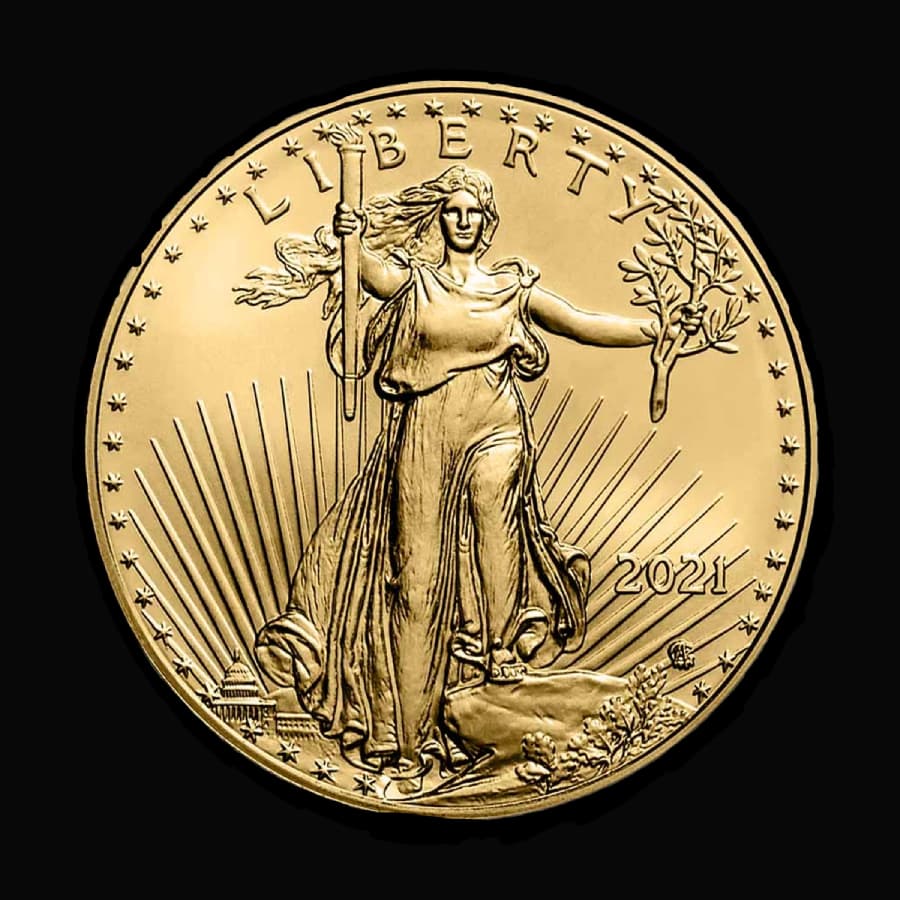
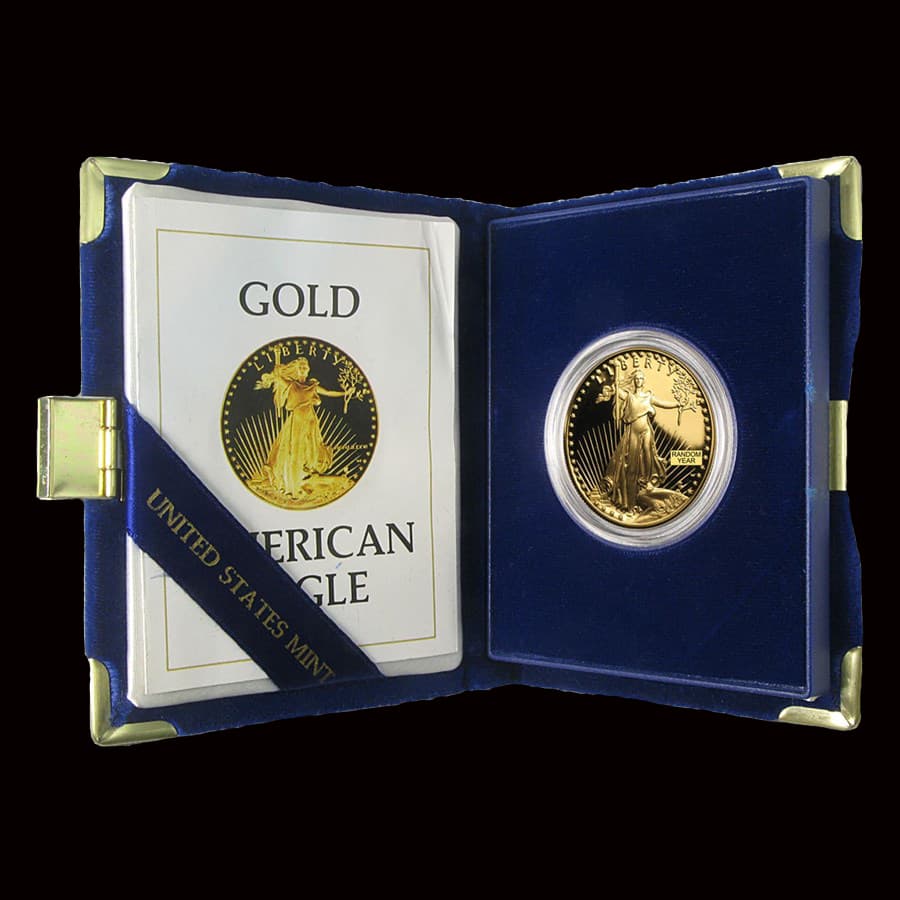
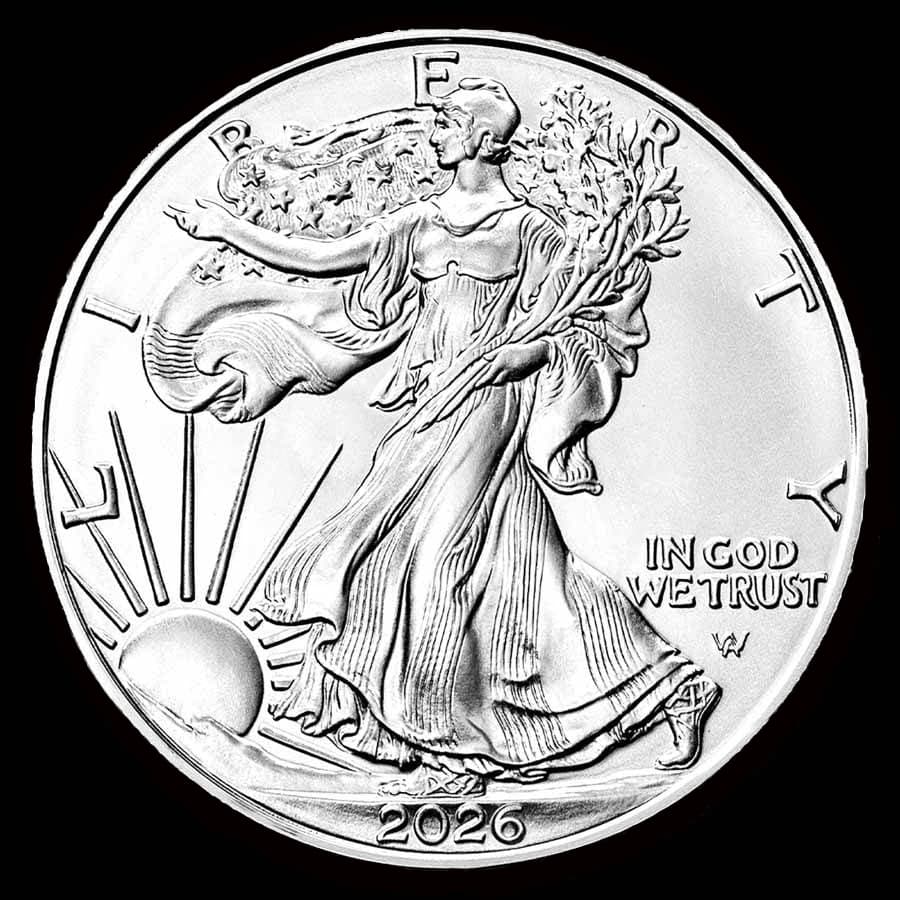
These two coins share a design connection but are not the same product. The American Gold Eagle is a modern bullion coin; the Saint-Gaudens Double Eagle is a historical U.S. coin with potential numismatic value.
| Feature | Saint-Gaudens Double Eagle | American Gold Eagle (1 oz) |
|---|---|---|
| Original issue period | 1907–1933 | 1986–present |
| Purity | 90% gold (.900 fine) | 22 karat (.9167 fine) |
| Actual gold content | Approximately 0.9675 troy oz | 1.000 troy oz |
| Total weight | Approximately 33.436 g | 33.931 g |
| Face value | $20 legal tender | $50 legal tender |
| Primary market | Historical / numismatic and bullion | Modern bullion |
| Potential numismatic value | Yes, depending on date, mintmark, grade | Usually limited; may apply to proofs, burnished coins, graded examples, special issues, and selected dates |
| Status | Historical pre-1933 U.S. coin | Modern bullion coin |
Both coins use a version of the Saint-Gaudens Liberty design, but they are not the same coin. The Saint-Gaudens Double Eagle contains less than one full troy ounce of gold, while the 1 oz American Gold Eagle contains exactly one troy ounce of pure gold.
Our Take
Common-date Saint-Gaudens Double Eagles can be highly liquid and recognizable, and they offer gold exposure along with genuine historical appeal. That combination makes them a popular choice for buyers who want more than a plain bullion coin.
They are not automatically the cheapest way to buy gold. A buyer focused solely on accumulating ounces may find modern bullion coins or gold bars more efficient, since a Saint-Gaudens carries less than a full troy ounce of gold per coin and its price can include a numismatic premium that a bullion-only buyer does not need.
For that reason, we evaluate every Saint-Gaudens Double Eagle individually rather than quoting off a single formula. That evaluation is what determines whether a coin trades close to its gold content or carries something more.
Frequently Asked Questions
Add it to your cart and check out securely online with live, spot-based pricing, or call or text (385) 442-9636 if you would rather order by phone. Orders ship fully insured, and free local pickup is available.
Utah exempts investment-grade precious metals from sales tax, so no sales tax is added to bullion orders like this one. Tax treatment in other states varies, and any applicable tax is calculated at checkout.
A Saint-Gaudens Double Eagle contains approximately 0.9675 troy ounce of actual pure gold. The coin is struck in a 90% gold, 10% copper alloy, so its total weight (about 33.436 grams) is higher than its actual gold content. It does not contain a full troy ounce of gold.
It depends on the specific coin. Many common-date Saint-Gaudens Double Eagles trade close to their gold value plus a modest premium for recognition and demand. Scarcer dates, certain mintmarks, high-grade examples, and the 1907 High Relief issue can carry meaningful numismatic value above melt. The date, mintmark, condition, and certification all need to be checked before assuming either way.
The design was produced from 1907 through 1933 at the Philadelphia, Denver, and San Francisco mints. Not every date and mint combination was struck in equal numbers, and availability today depends on original mintage, how many were later melted, and how many were later recovered from overseas holdings.
The date appears on the obverse near the lower-right portion of the coin. When present, the mintmark also appears on the obverse directly above the date. Philadelphia coins have no mintmark, Denver coins carry a 'D,' and San Francisco coins carry an 'S.' Because mintmarks affect value, verify that one has not been added or altered before assuming a coin is a scarcer mint.
Early Saint-Gaudens Double Eagles from 1907 and most of 1908 do not carry the motto IN GOD WE TRUST on the reverse, because Augustus Saint-Gaudens and President Roosevelt preferred the design without it. Congress required the motto be added, and it appears on Saint-Gaudens Double Eagles from mid-1908 onward, including all 1908-S coins. No Motto coins are a distinct, more limited early variety, but variety alone does not set the final value — condition, mintmark, and demand still matter.
No. Only a limited quantity of 1907 Saint-Gaudens Double Eagles were struck in the original high-relief format, which required multiple strikes per coin and was difficult to produce. Later in 1907, the relief was lowered so coins could be struck with a single blow, and that lower-relief format continued as the regular circulation issue through 1933. A 1907 coin should not be assumed to be a High Relief without verifying it, ideally through PCGS or NGC certification.
No. Cleaning a Saint-Gaudens Double Eagle can permanently reduce its numismatic value, even if the gold content is unaffected. Cleaning marks and altered surfaces are visible to graders and dealers and can move a coin out of a higher grading tier. Bring the coin in as-is or text photos before doing anything to it.
Often, yes, particularly for higher grades or scarcer dates, because third-party certification confirms authenticity and assigns a grade that the market recognizes. A certified holder does not automatically make a coin rare, and the certification number and coin should still be checked. Raw, uncertified coins are also bought and sold, and pricing accounts for the added uncertainty of not having a professional grade attached.
The Saint-Gaudens Double Eagle is a historical U.S. coin issued from 1907 to 1933, struck in 90% gold with about 0.9675 troy ounce of actual gold content. The American Gold Eagle is a modern bullion coin first issued in 1986, struck in 22-karat (.9167 fine) gold, with the 1 oz size containing a full troy ounce of pure gold. Both feature a version of Saint-Gaudens' Liberty design, but they are different coins from different eras with different gold content and different markets.
Yes. Text clear photos of the obverse and reverse, the date, the mintmark area, and any certification label to (385) 442-9636. Photos help us give you a preliminary sense of what you have, but a final offer requires an in-person evaluation of the actual coin.
Yes. We regularly evaluate inherited collections that include Saint-Gaudens Double Eagles, Liberty Head Double Eagles, and other pre-1933 U.S. gold coins. If you are selling, bring in what you have, or text photos first, and we can walk through what needs to be checked before making an offer on the full collection.
Related Gold Products
Ready to buy a Saint-Gaudens Double Eagle?
Add it to your cart for live, spot-based pricing and secure checkout, or call or text if you would rather order by phone. Photos help us prepare, but a final quote requires an in-person evaluation.
About This Page
Editorial note: Saint-Gaudens Double Eagle values depend on gold spot price, date, mintmark, condition, certification, and collector demand. This page is intended as an identification and buying/selling guide, not a price list, appraisal, or financial advice. Specifications were verified against United States Mint historical data, PCGS CoinFacts, and NGC numismatic references.
Last updated: July 2026