Austrian Gold Philharmonic Coins
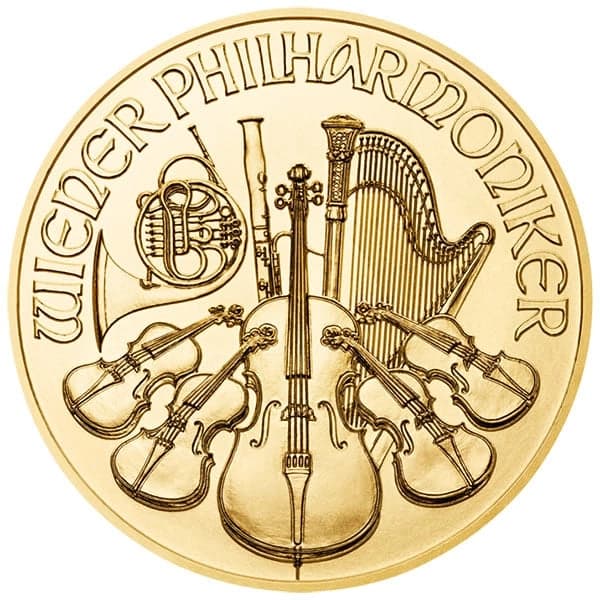
Images are for educational/reference use and may not represent current inventory.
Gold Silver Crypto sells Austrian Gold Philharmonic coins, with live spot-based pricing and secure checkout. We work with 1 oz Gold Philharmonics, fractional Philharmonics, euro-denominated issues, older schilling-era issues, graded coins, and larger gold coin collections. Pricing is based on live gold spot, coin size, year, condition, grading, quantity, and current market demand.
Related Products
Coin Specifications
| Metal | Gold |
| Mint | Austrian Mint / Münze Österreich |
| Country | Austria |
| Common sizes | 1 oz, 1/2 oz, 1/4 oz, 1/10 oz, 1/25 oz |
| Gold content | 1 oz, 1/2 oz, 1/4 oz, 1/10 oz, or 1/25 oz actual fine gold by size |
| Purity | .9999 fine (24 karat) |
| Face value | €100 (1 oz current issue); varies by size; older issues denominated in Austrian schillings; market value is based on gold content and premium |
| First issued | 1989 |
About Austrian Gold Philharmonics
The Austrian Gold Philharmonic was first issued by the Austrian Mint / Münze Österreich in 1989. Also commonly called the Vienna Gold Philharmonic, it is named after the Vienna Philharmonic orchestra and is one of the Austrian Mint's best-known and most successful gold bullion coins.
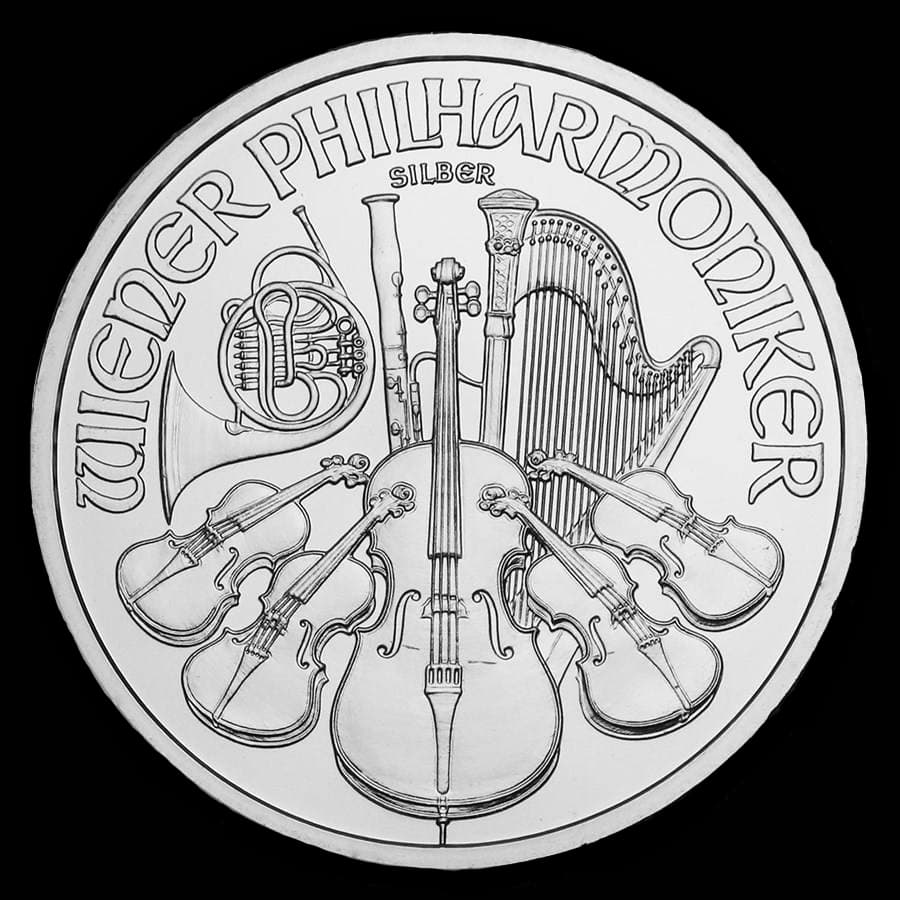
All Gold Philharmonics are .9999 fine gold — 24 karat. One side features the Great Organ of the Musikverein concert hall in Vienna. The other side depicts instruments associated with the Vienna Philharmonic Orchestra, including a cello, violins, harp, bassoon, and Vienna horn.
Current euro-denominated 1 oz issues commonly carry a €100 face value, making them legal tender in Austria. Fractional sizes carry different euro face values. Older pre-euro issues used Austrian schilling denominations. Market value in all cases is based on gold content and current premium, not face value.
Fractional sizes — 1/2 oz, 1/4 oz, 1/10 oz, and 1/25 oz — are available and carry the same .9999 fine purity. Austrian Gold Philharmonics are recognized internationally as European sovereign gold bullion coins.
Our Take
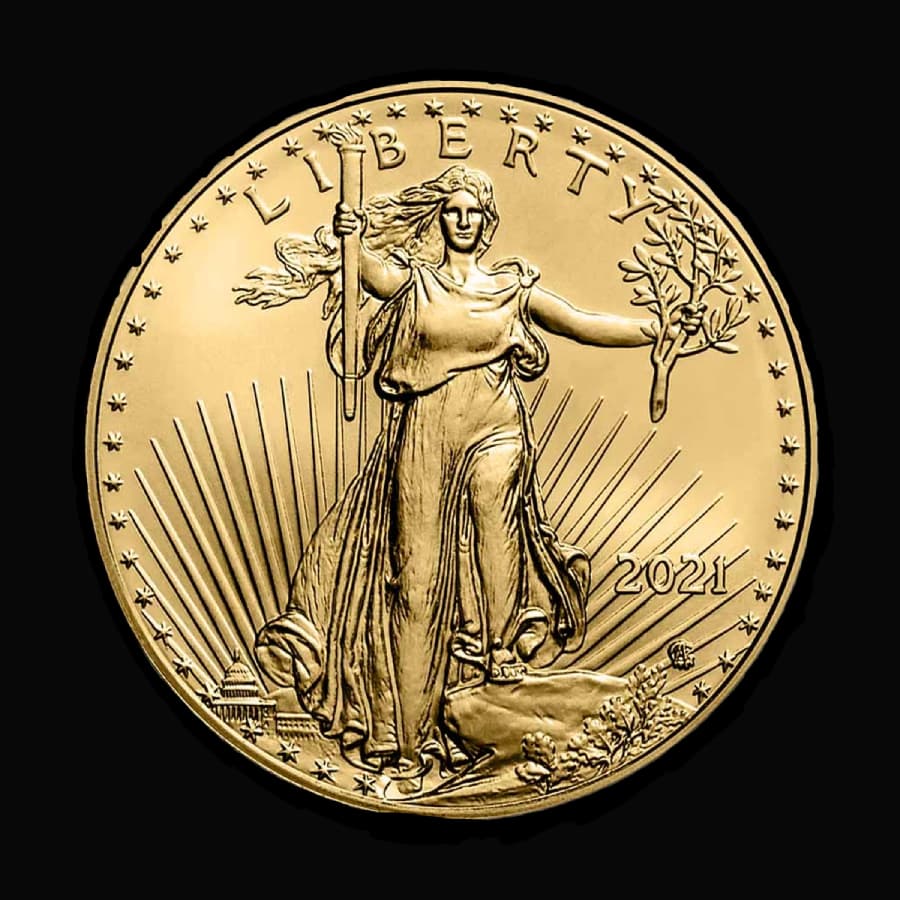
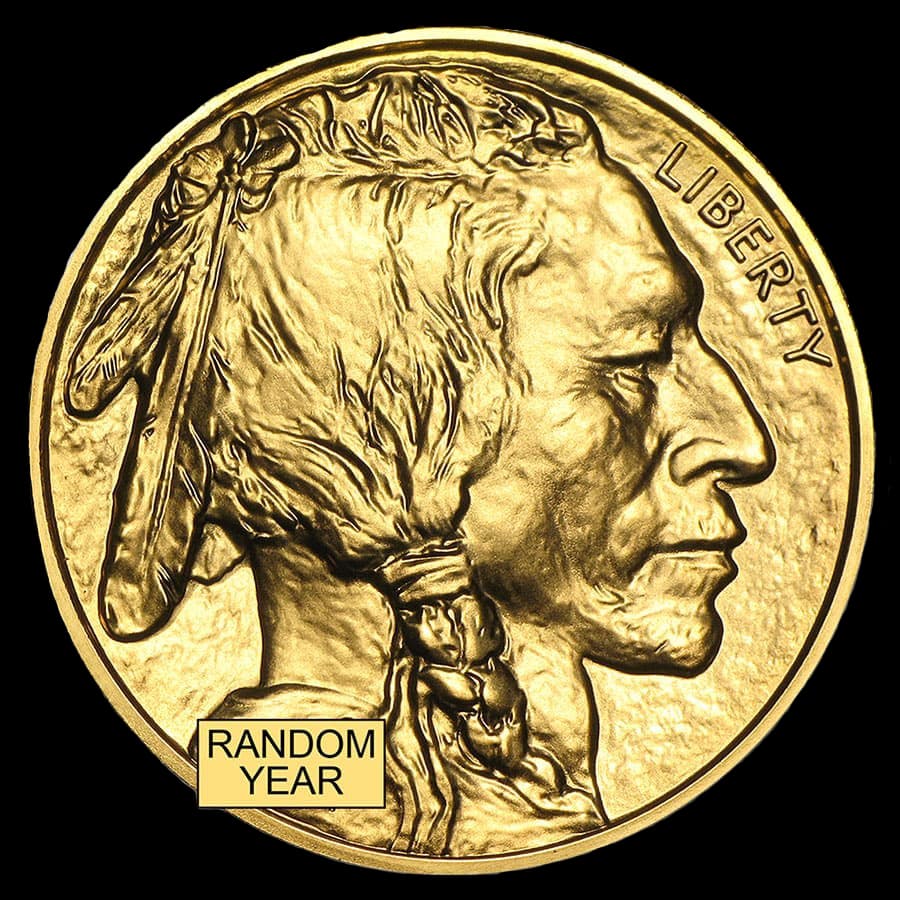
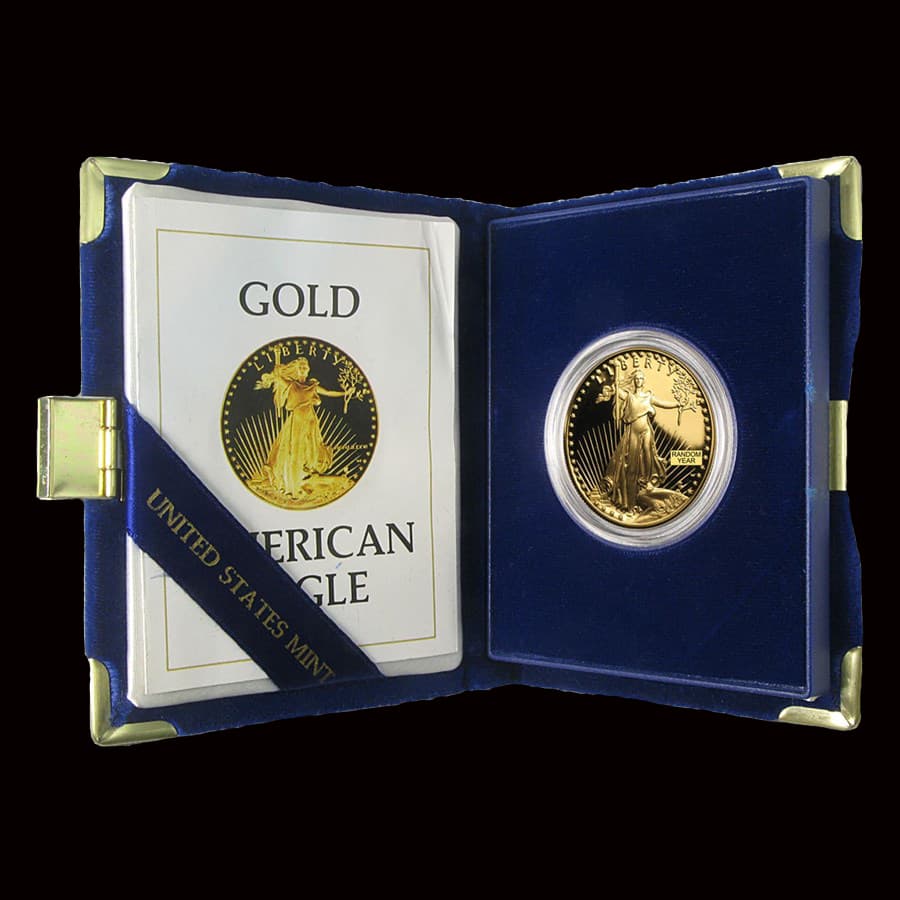
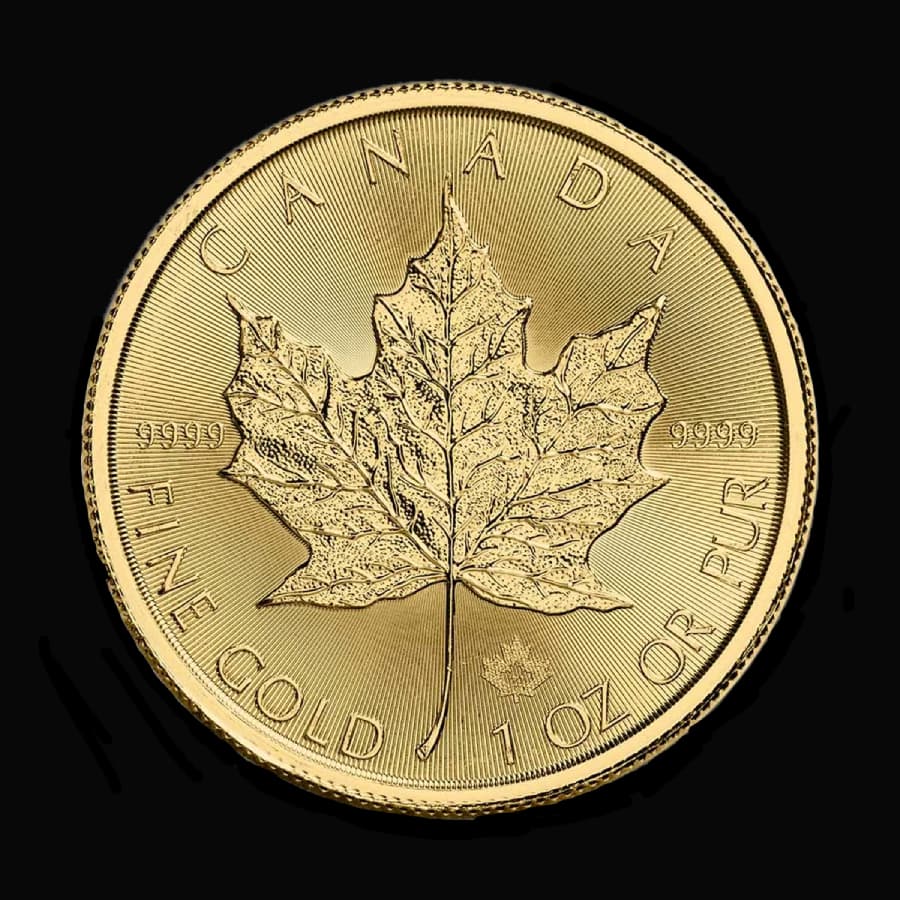
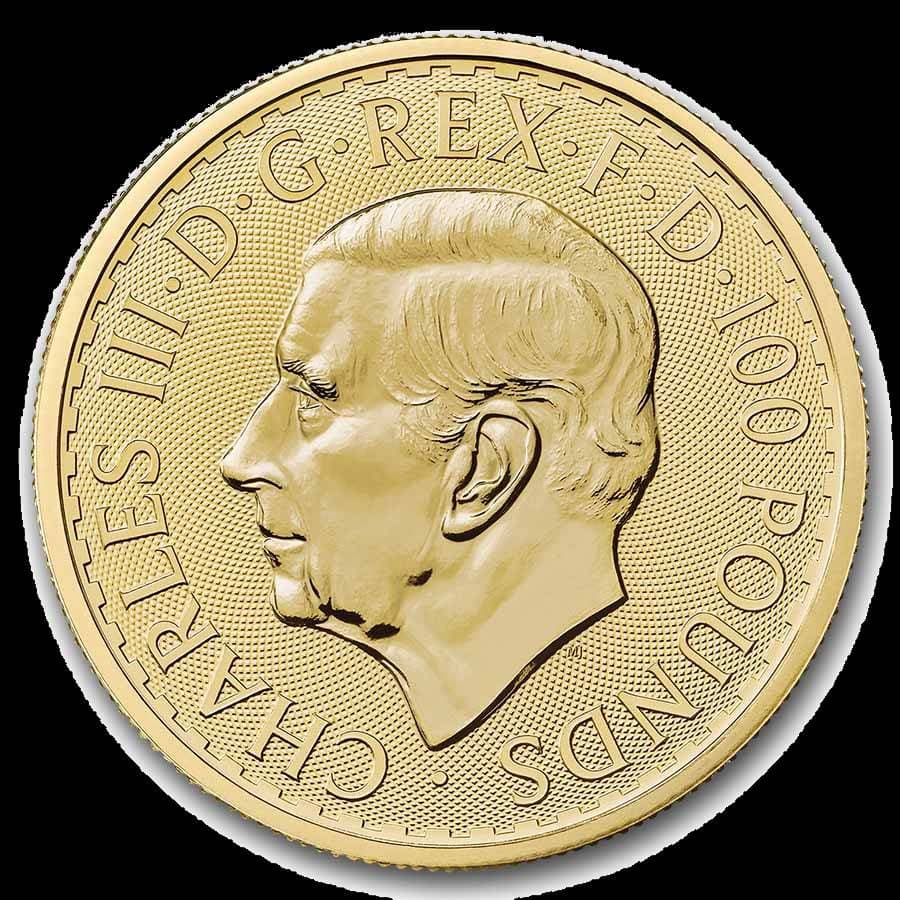
Austrian Gold Philharmonics are strong 24k sovereign gold bullion coins with international recognition. They compete naturally with Canadian Gold Maples, British Gold Britannias, and American Gold Buffalos for buyers who want .9999 fine gold in coin form. The music-themed design is unique, but from a dealer perspective the main value is still gold content, recognition, condition, and current demand.
The tradeoff is U.S. market familiarity. In Utah and many U.S. local markets, American Gold Eagles and Gold Buffalos may attract stronger walk-in recognition. Philharmonics are still liquid, but their premium can depend on size, year, denomination, and current resale demand.
If you want 24k European sovereign gold, Austrian Gold Philharmonics are worth comparing. If you want maximum U.S. recognition, compare with American Gold Eagles or Gold Buffalos. If you want another 24k sovereign coin with global recognition, compare with Canadian Gold Maples or British Gold Britannias. If you want lower-premium gold exposure, compare with 1 oz gold bars.
Gold Philharmonic vs Other Gold Products
Austrian Gold Philharmonics sit alongside Canadian Gold Maples and American Gold Buffalos as .9999 fine sovereign gold options. The right choice depends on purity preference, U.S. vs. international recognition, and premium tolerance.
| Product | Recognition | Purity | Best For |
|---|---|---|---|
| Austrian Gold Philharmonic | High internationally | .9999 fine | 24k European sovereign gold |
| British Gold Britannia | High internationally | .9999 for 2013+; 22k for older issues | Royal Mint sovereign gold |
| Canadian Gold Maple Leaf | High globally | .9999 fine | 24k sovereign gold |
| American Gold Buffalo | Very high in the U.S. | .9999 fine | 24k U.S. gold coin buyers |
| American Gold Eagle | Very high in the U.S. | 22k / .9167 fine | U.S. recognition and liquidity |
| 1 oz Gold Bar | High if known brand | Usually .9999 fine | Lower-premium gold exposure |
Premiums are relative and change with market conditions.
Frequently Asked Questions
Add it to your cart and check out securely online with live, spot-based pricing, or call or text (385) 442-9636 if you would rather order by phone. Orders ship fully insured, and free local pickup is available.
Utah exempts investment-grade precious metals from sales tax, so no sales tax is added to bullion orders like this one. Tax treatment in other states varies, and any applicable tax is calculated at checkout.
Yes. Austrian Gold Philharmonics are .9999 fine gold — 24 karat. This applies to both current euro-denominated issues and older schilling-era issues. Because they are pure gold with no added alloy, the coin weight equals the actual gold content. A 1 oz Gold Philharmonic contains one full troy ounce of pure gold.
Austrian Gold Ducats are a completely different gold coin — smaller, older in origin, and struck in 23.5 karat (.9860 fine) gold. The Austrian Gold Philharmonic is a modern bullion coin first issued in 1989, struck in .9999 fine gold, and recognized globally as a standard bullion product. Do not price or treat them the same. If you have Austrian Ducats, let us know and we can provide a separate quote.
Usually, yes. Austrian Gold Philharmonics carry a premium above their gold melt value because they are widely recognized sovereign bullion coins from the Austrian Mint. The exact premium depends on coin size, year, denomination, condition, and current demand. Common bullion Philharmonics, fractional coins, graded examples, and larger collections may all carry different premiums.
Yes. Current euro-denominated 1 oz Gold Philharmonics commonly carry a face value of 100 Euro, making them legal tender in Austria. Fractional sizes carry different euro face values. Older pre-euro issues used Austrian schilling denominations. The market value of a Gold Philharmonic is based on its gold content and current premium — far above the face value in either denomination.
Yes. Gold Silver Crypto buys 1/2 oz, 1/4 oz, 1/10 oz, and 1/25 oz Austrian Gold Philharmonics. Fractional coins carry a higher premium per troy ounce of gold than the 1 oz size, and pricing reflects both the actual gold content and current fractional Philharmonic demand.
For common bullion examples, they typically price close to each other based on gold content — both the euro and schilling versions are .9999 fine gold. The denomination is a function of when the coin was minted, not its purity. Year, condition, and coin size have more impact on price than denomination alone. Some collectors or buyers may have a preference, but standard bullion buyers generally price on gold content.
Yes. Proof Gold Philharmonics and coins certified by PCGS, NGC, or other major grading services may carry a premium over common bullion depending on the grade, year, and current collector demand. Do not assume they should be priced the same as standard bullion Philharmonics. Bring or text photos so we can assess what you have.
Gold Philharmonic pricing is based on live gold spot, the actual gold weight of the coin, purity, year, condition, and current Philharmonic market premium. Common bullion Philharmonics, fractional coins, older schilling-era issues, graded coins, and larger collections may all price differently. Quantity matters too — single coins and larger lots can move differently in the resale market. Text photos, size, year, and quantity for the most accurate quote.
Yes. Text photos of the front and back of your coins along with the size, year, and whether any are graded, proof, or in original packaging to (385) 442-9636. The more detail you provide, the more accurate the initial estimate.
Related Gold Products
Ready to buy Gold Philharmonics?
Add it to your cart for live, spot-based pricing and secure checkout, or call or text if you would rather order by phone.